

Our Core Projects
University Establishment
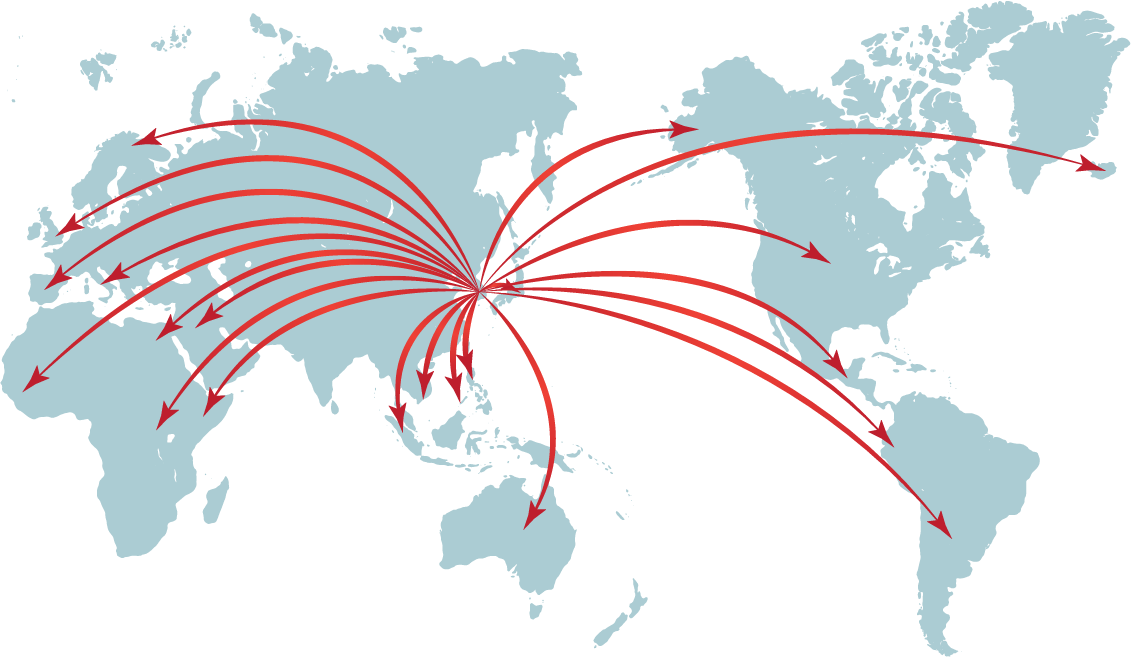
Our primary objective is to bring together students from diverse backgrounds and develop them into strong leaders and career professionals poised to excel in the global market. To accelerate our goals to develop exceptional leaders around the globe, our university will provide online courses to over 80 countries around the world, including locations within U.S. Military Installations.
Mission Statement
At ATA, our mission is to cultivate leaders who are proficient in the latest Advanced Technologies with a deep understanding of their cultural and global implications. ATA is dedicated to equipping students with the knowledge, skills, and cultural awareness necessary to thrive in today’s interconnected world, with a profound understanding of Advanced Technologies.
Student Support Program
We recognize that students may face various life circumstances that can potentially impede their pursuit of education and career advancement. We offer a range of programs, including financial assistance and other support channels, designed to empower all students to overcome obstacles and achieve their academic and professional goals.
Certificates and Employment Preparation
Upon graduation, our students hold certifications widely acknowledged in both commercial and government sectors, positioning them as competitive assets in the job market. This tangible validation of their expertise demonstrates their capability to excel in their chosen fields and contribute effectively to their respective industries.
Objectives
1. Cultivating Global Leaders
ATA prides itself on being a melting pot of cultures and nationalities, providing an enriching environment for students to learn, collaborate, and grow together. We believe that exposure to diverse perspectives is crucial in developing well-rounded leaders capable of navigating the complexities of the global market.
2. Cutting-Edge IT Proficiency
Our curriculum places a strong emphasis on Advanced Technologies, with a particular focus on the rapidly evolving IT industry. Students will receive comprehensive training in areas such as Cloud Computing, Deep Learning, Artificial Intelligence, Data Science, and more. This ensures that graduates are not only familiar with established technologies but are also well-versed in emerging trends.
3. Industry-Recognized Certifications
ATA is committed to providing students with a competitive edge in the job market. Upon graduation, our students will hold certifications widely recognized in both commercial and government sectors.
These certifications serve as a testament to their expertise and readiness to excel in their chosen fields.
4. Support for DOD 8140 certificates of the US Department of Defense
In response to the evolving landscape of cyber warfare, ATA is committed to supporting the U.S. military in meeting the requirements outlined in the newly introduced DoD 8140 directive. We equip our students with the specialized skills and knowledge required to fill critical cyberspace workforce positions, enabling seamless coordination with warfighters, businesses, and mission system owners.
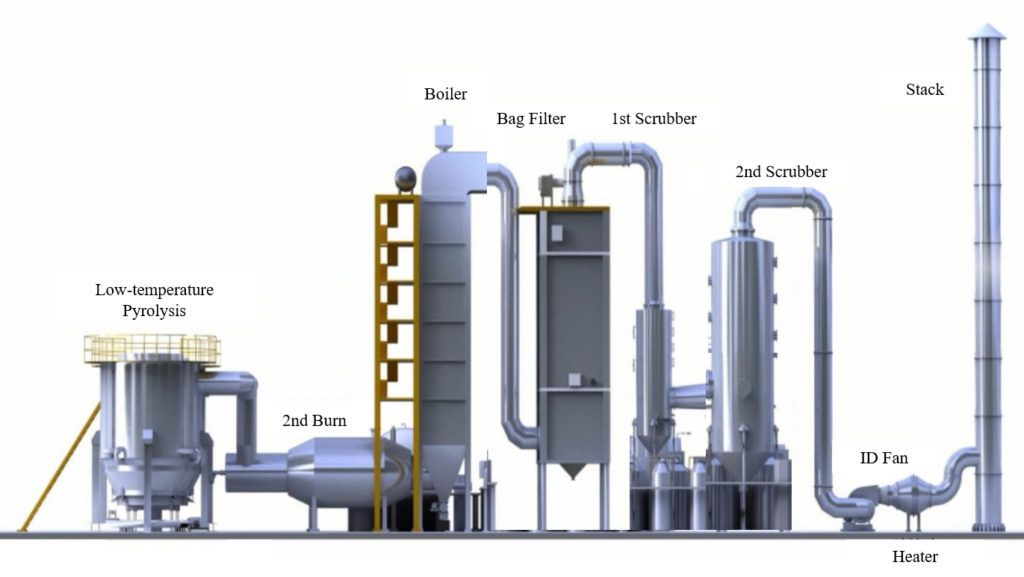
Low-temperature Pyrolysis Gasification System
This approach eliminates the need for waste separation, significantly simplifies operations, and maximizes profitability. In addition, the low-temperature pyrolysis and gasification process produces zero to near-zero toxic byproducts, offering a cleaner and more sustainable alternative to traditional waste-to-energy systems.
Advantages
1. Equipment and maintenance costs are low.
– The equipment installation cost is about 280 million to 300 million per ton, which is cheaper than the existing waste disposal method, the stalker incinerator (about 520 million), and additional costs (about 2.5 to 400 million), such as underground, chimney, and waste loading land are unnecessary.
– The maintenance cost is 40% or less based on sales, and the investment can be recovered within 5 years. (The maintenance cost of the stocker incinerator is 70% or more based on sales, and the investment cannot be recovered within 15 years of the equipment’s life.)
2. Simplifying equipment systems can reduce labor, costs, and time required.
– No smoke is generated due to combustion. The rear-end dust collection facility is simplified, and cleaning work is also unnecessary.
– No drying operation is required, making the equipment lighter.
3. No classification by garbage properties is required.
– 100% moisture can be treated with wet waste without the need to classify recycled waste, household waste, and hard-to-treat organic substances, concentrated acid products, industrial waste, construction waste, marine waste, etc
It is put in batches to reduce the cost and time of work to be classified.
4. You can get renewable energy by burning waste as a raw material.
– Based on the standard calorific value of 4000 Kcal/kg, it generates 3000 kW of power per hour and produces steam, methane, and hydrogen.
– It is possible to link hydrogen charging stations, hydrogen power plants, industrial complex steam supply, and district heating facilities.
5. You can operate the equipment 365 days a year
– While the average number of days of operation of the stalker incinerator is 120 to 330 days, efficient equipment operation is possible through interactive operation.
6. Minimize the generation of harmful substances after gasification combustion
– Measurements of harmful substances such as carbon monoxide (CO), Sulfur Oxides (SOx), hydrogen chloride (HCL), and dust are below the environmental standard.
7. It can minimize complaints from local residents and public-private conflicts.
– It is treated by the Resource Recycling method under the Waste Management Act and operates in an efficient, economic, and eco-friendly manner without smoke or odor, so it can be solved by collaboration with environmental groups.
PM/CM/DM

PM (Project Management)
1. Initiate a Project
– Project scope definition (Scope) / stakeholder analysis/organization and role division
2. Planning
– Schedule plan (WBS, CPM, etc.) / Budget plan / Risk management plan / Communication plan
3. Execute Management
– Project progress monitoring / Resource coordination and coordination / Partner management / Quality assurance
4. Monitoring & Control
– Utilize KPI, Earned Value Analysis (EVA) / Analysis of Schedule and Cost Deviations / Change Management
5. The End
– Reporting / Performance Analysis / Follow-up Management
CM(Construction Management)
1. Planning Phase Support
– Business feasibility review/budget and process planning support
2. Design Stage Management
– Review design drawings / Value Engineering (VE) proposal / Verification of design errors and omissions
3. Bidding and Contract Phase
– Support for selection of contractor / Bid conditions and evaluation / Construction contract management
4. Construction Stage Management
– Process Management (Schedule, Resource) / Quality Management / Cost Management / Safety Management / Orderer Report
5. Phase of Completion and Acquisition
– Test operation, defect inspection, use approval support, maintenance manual handover
DM (Development Management)
1. Business Planning Phase
– Market research and demand analysis / Location review, site purchase support/business feasibility analysis (profitability, IRR, NPV, etc.)
2. Licensing and Design Steps
– Review development laws and regulations/Manage licensing procedures/Select and coordinate designers and engineers
3. Financing and Investor Management
– Project financing (PF) planning / Investment attraction and financing management / Risk management
4. Connect CM and PM
– Conducting CM (Construction Management) / Interworking with PM (Project Operation)
5. Pre-sale and Operation Stage
– Establishment of marketing and distribution strategy / Establishment of operation and management system
Global F&B Business
ATA’s flagship brand, Turkish Sand Coffee, delivers a distinctive sensory experience through its refined sand-brewing technique. Recognized as a specialty brand, its expertise has been acknowledged by the National Asian Culture Center under the Ministry of Culture, Sports and Tourism.

Procedure
1. Market Research and Strategy Establishment
– Target Market Selection: Analysis of Consumption Trends, Consumption Tendencies, and Cultural Characteristics by Region/Country
– Competition Analysis: Compare Local Brand, Global Brand, Price Zone, and Location Strategy
– Defining customer base: Local residents vs. tourists vs. special customer base (business customers, Hallyu fans, etc.)
– Select a way to enter: Direct stores, local partner joint ventures, franchises, licenses, exports
2. Localize Brands and Menus
– Brand Positioning: Premium, Public, Fast Food, Healthy Food, and more
– Localization of menus: Considering local preferences and cultural and religious restrictions (e.g., halal, vegetarian)
– Quality control: Raw material procurement system, global standardized recipe construction
3. Legal and Administrative Procedures
– Establishment of a corporation: Confirmation of foreign investment regulations and determination of the type of corporation (branch, joint venture)
– Permits and Licenses: Securing Food Sanitation Permits, F&B Operational Licenses, Liquor Sales Licenses, etc
– Intellectual Property Protection: Trademark Registration, Brand Logo, and Recipe Protection
– Tax and Customs Scheme: Imported Raw Material Tariffs, VAT, Local Corporate Tax Considerations
4. Build Supply Chain and Operations
– Procurement of raw materials: Local procurement vs. export to the home country (considering customs duties and logistics costs when importing)
– Logistics system: Refrigerated and frozen transportation, global distribution partner agreement
– Manpower management: Hiring local staff, deploying dispatched personnel to headquarters, standardizing service training
– Warranty: Global Standard (QC), HACCP, ISO certification
5. Marketing and Branding
– Localized marketing: advertising and media
– Using digital channels: SNS, online delivery platform, online delivery platform, online delivery platform
– Brand expansion strategy: Pop-up Store → franchisees
6. Operations and Expand
– Financial Management: profit structure, exchange rate risks, local tax strategy
– Customer Experience Management: Service Manual standardization, customer feedback
– Extend strategy: expanding franchisees, expanding franchisees, expanding franchisees, and local manufacturing facilities